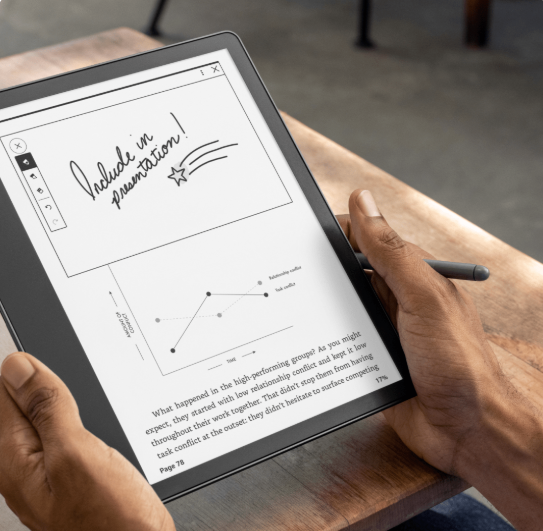
Here’s a familiar shame spiral: you save forty articles to your read-later app of choice, glance at the list twice, and six months later archive all forty unread out of guilt. The problem was never intention — it was destination. Reading long articles on a phone or laptop is fighting a losing battle against notifications.
Folio, which launched on Product Hunt on September 2, 2026, attacks that problem at its root: it doesn’t just store your reading list — it deliver it, typeset like a real publication, straight to your e-ink device.
What Is Folio?
Folio is a read-later service built around one elegant idea: compile what you’ve saved into a single, professionally typeset digest and send it to your e-reader on a schedule you choose.
The inputs are generous:
- Open tabs and saved links — clip articles from any browser
- RSS feeds — your subscriptions flow straight in
- Newsletters — Folio gives you a private @myfolio.so email address; forward any newsletter and it lands in your queue
- Notion — pull in pages from your workspace via integration
On your schedule — daily or weekly — Folio fetches everything in the queue, extracts the article bodies, and typesets them into a single PDF digest that lands automatically on your reMarkable or Kindle. No cables, no “send to device” rituals, no local software.
The Digest Itself: Where Folio Shines
The output is where Folio justifies its existence. Each digest features:
- 📖 E-ink-optimized typography — contrast, margins, and font sizing tuned for reflective screens, not recycled web layouts
- 🔗 A linked table of contents — jump between articles instantly
- 📑 Section dividers and a notes section — annotate in the margins like it’s a real journal
- 🖊️ Native reMarkable support — highlights and scribbles stay on your device, exactly where they belong
The result reads like a personal magazine rather than a printout of the internet. It’s the first read-later tool that treats e-ink as a first-class citizen instead of an afterthought export.
Pricing
Folio offers a 7-day free trial to start. As a young indie service, detailed public tiers are still filling in — treat the trial as your evaluation window, and confirm current plan pricing on the official site before committing.
Strengths and Limitations
Strengths:
- ✅ The “schedule, typeset, deliver” loop is genuinely automated — set it once, read forever
- ✅ Newsletter-to-e-reader via a private email address is brilliantly simple
- ✅ The e-ink-first typography is noticeably better than PDF exports from Instapaper or Pocket
- ✅ ReMarkable users finally get a read-later workflow worthy of the hardware
Limitations:
- ⚠️ PDF-digest delivery means you read on Folio’s schedule, not on a whim — no instant “send this one article now” (though clipping for the next digest is instant)
- ⚠️ Interactive web content (embeds, videos, data visualizations) flattens into static pages by nature
- ⚠️ Young service — longevity and export options are worth watching for a library you may build for years
Folio vs. the Incumbents
- vs. Pocket / Instapaper — Better apps for doomscrolling your saves on a phone; Folio wins decisively for deep, distraction-free reading on e-ink.
- vs. Calibre — Calibre can fetch RSS and output EPUB/PDF, but it’s local-only, manual, and requires you to own the plumbing. Folio is hosted and automatic.
- vs. Printing articles one by one — You were never going to do that. Folio is the version of you that actually reads.
Who Should Use Folio?
Folio is perfect for e-ink device owners, newsletter addicts, researchers who read in batches, and anyone whose read-later list is a graveyard. If you own a reMarkable or a Kindle with an appetite, this is the workflow upgrade you’ve been waiting for.
Final Verdict
Folio solves the last-mile problem of read-later culture: not saving, but reading. By turning your scattered saves into a typeset, scheduled, e-ink-native publication, it quietly makes one of the internet’s oldest product categories feel new again. One of September 2026’s most delightful launches
____________________________________________________________________________________________________________________________________
E-ink loyalist or phone reader? Would a weekly typeset digest change your reading habits — tell us below!